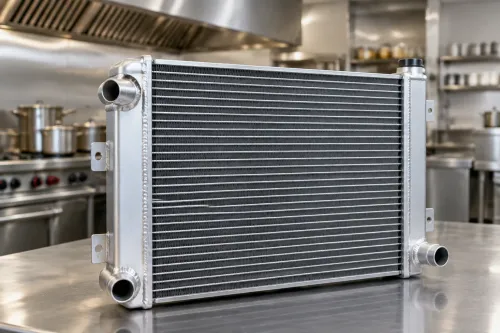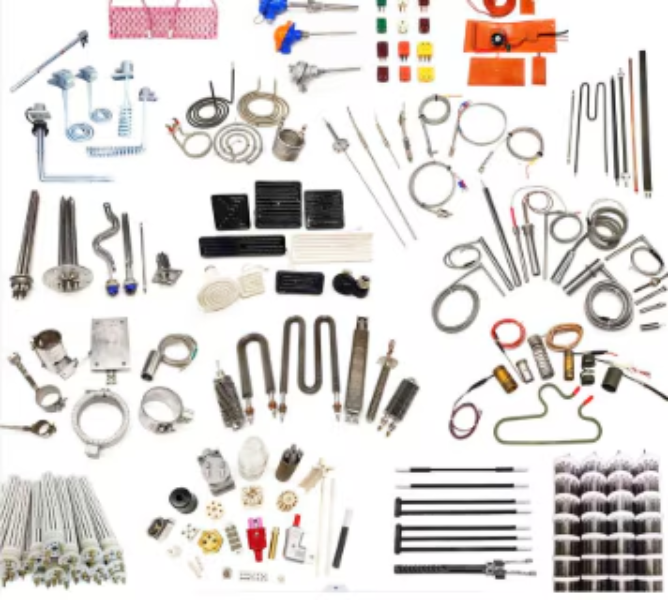
When a commercial laundry machine fails, replacing the first visibly damaged component can be tempting. Yet incorrect diagnosis and incompatible parts can extend downtime rather than solve it. Businesses evaluating Spare Parts for Laundry Equipment should combine accurate fault identification with equipment-specific component matching.
This is particularly important for hotels, commercial laundries, hospitals, dry cleaners and institutional facilities in Delhi where laundry machines may operate repeatedly throughout the working day.
Diagnose Before You Purchase
A failed component can sometimes be the result of another underlying fault.
For example, a damaged electrical component might have been affected by abnormal voltage, overheating, moisture or another failing part. A repeatedly worn mechanical component could indicate misalignment or excessive vibration.
Replacing the damaged part without investigating the cause may produce another failure.
A technician should therefore examine the equipment and identify the probable root cause before procurement whenever practical.
OEM Reference and Compatible Alternatives
Buyers may encounter original equipment manufacturer parts and compatible replacement components.
An OEM component is produced or specified for the original equipment system. A compatible alternative may be produced by another manufacturer but intended to meet the required specification.
The decision should not be based on price alone.
Check:
- Electrical rating
- Dimensions
- Material
- Connection type
- Operating temperature
- Mechanical load
- Equipment compatibility
- Manufacturer requirements
- Warranty implications
For safety-critical components, technical suitability becomes particularly important.
Confirm the Machine Identification
Laundry equipment can remain in service for many years, and different versions of apparently similar machines may use different components.
Provide the make, model, serial number and part number where available.
If the old part has readable identification markings, retain it until the replacement has been verified.
Clear photographs can also assist identification, but appearance should not replace technical specification.
Consider Downtime Cost
The cheapest spare part is not necessarily the lowest-cost choice for a commercial laundry.
Suppose a hotel laundry saves a modest amount on a component but experiences repeated failure and additional machine downtime. The indirect costs can exceed the original saving.
Evaluation should therefore include reliability, expected service life, availability and technical compatibility.
Decide What to Keep in Stock
High-use laundry facilities can classify spare parts according to operational importance.
Parts with predictable wear patterns or components that can cause significant downtime may justify advance planning. Rare and expensive assemblies may be sourced only when required.
Historical service records provide useful evidence for deciding which components are repeatedly needed.
Check Installation Requirements
Some Spare Parts for Laundry Equipment can be replaced during straightforward servicing, while others require qualified technical work.
Electrical components, heating systems, controls and major mechanical assemblies should be handled according to equipment requirements and applicable safety procedures.
For commercial laundry operators across Delhi, PCNS ENGINEERS Pvt. Ltd. provides equipment spare-part, repair and maintenance support. Businesses can make service requests more efficient by keeping accurate equipment identification and maintenance records available.
Successful spare-part replacement begins before the order is placed. Correct diagnosis, specification verification and professional installation where required help prevent a minor equipment fault from becoming prolonged operational downtime.
Keywords