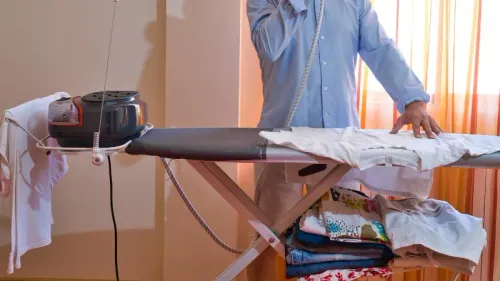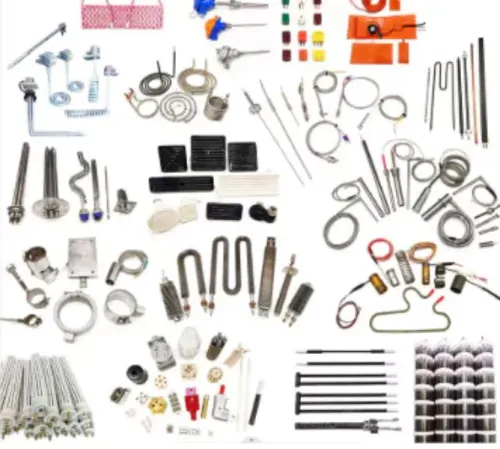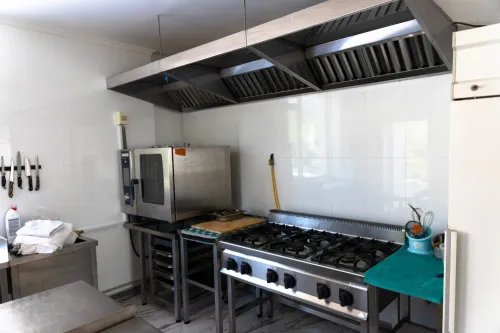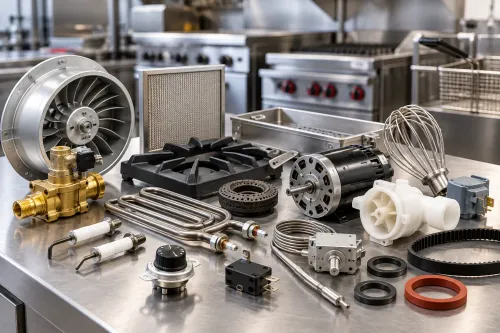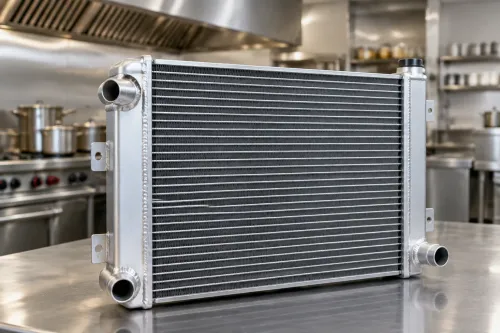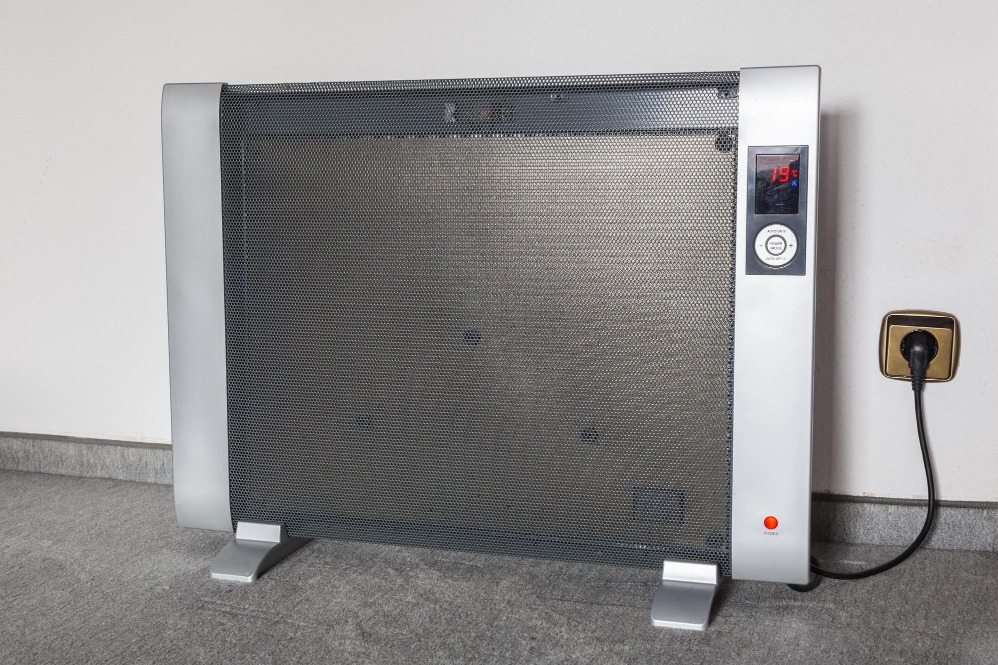
Housekeeping departments often depend on equipment that receives far less attention than front-of-house systems until something stops working. Where heat-management components are incorporated into a machine, selecting the correct Radiator for Housekeeping Equipment requires more than finding a replacement that looks similar.
Hotels, hospitals, institutional facilities and large commercial properties in Delhi can reduce incorrect spare-part purchases by documenting the equipment properly before sourcing replacements.
Start With the Machine, Not the Radiator
The safest starting point is identifying the equipment in which the radiator is installed.
Record information such as:
- Manufacturer
- Equipment model
- Serial number
- Existing part number
- Installation position
- Connection configuration
- Dimensions of the existing component
If the original part number is unavailable, technical photographs and accurate measurements become particularly useful.
The objective is to establish compatibility rather than assuming that similar dimensions mean interchangeable performance.
Check Why the Existing Part Needs Replacement
A damaged radiator may be the result of another problem rather than the original cause.
Before replacement, investigate what happened.
Was there corrosion? Did a connection fail? Was airflow restricted? Did contamination accumulate around the heat-exchange surface? Was there unusual vibration or physical damage?
Understanding the failure mechanism helps prevent a new component from being installed into the same unresolved operating condition.
Compare Technical Characteristics
Physical dimensions are only one part of component selection.
Depending on the housekeeping equipment design, a technician may need to evaluate construction material, connection size, heat-transfer requirement, operating pressure and temperature conditions.
Mounting points also matter. A poorly secured component may be exposed to unnecessary vibration during equipment operation.
When the original manufacturer's specification is available, it should normally be used as the reference point.
Avoid Modifying Parts Simply to Make Them Fit
Maintenance teams sometimes encounter a replacement component that is almost correct.
Improvised modifications may appear convenient when equipment is urgently needed, but changes to brackets, connections or fluid paths can introduce reliability and safety problems.
Commercial facilities generally benefit from identifying a compatible part before installation rather than adapting an unsuitable component on site.
Keep Housekeeping Equipment Records
Delhi's hotels and large facilities can operate substantial inventories of housekeeping and support equipment. Maintaining an asset register simplifies future spare-part sourcing.
For each machine, the record can include its model, serial number, installation date, service history and previously replaced components.
Photographs of identification plates can also be stored digitally.
This creates a useful reference when a technician or purchasing team needs to source a Radiator for Housekeeping Equipment months or years later.
Coordinate Purchasing With Technical Inspection
Procurement and maintenance teams should work together.
A purchasing department may know the required delivery date and budget, while a technician understands the operating condition and component specification. Combining both perspectives reduces the risk of ordering the wrong item.
PCNS ENGINEERS Pvt. Ltd. serves commercial equipment requirements involving kitchen and laundry equipment, spare parts, installation and repair in Delhi. For businesses managing multiple machines, technical identification before procurement can make spare-part replacement considerably more efficient.
The central principle is simple: identify the equipment, diagnose the reason for failure and verify compatibility before purchasing the replacement. That approach is more dependable than selecting a radiator by appearance alone.
Keywords