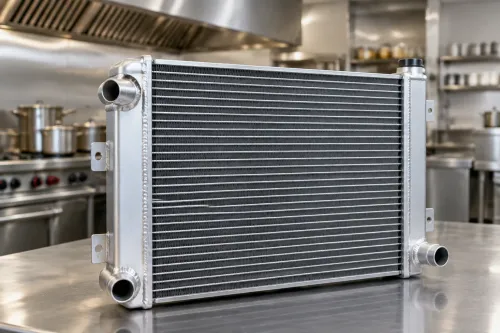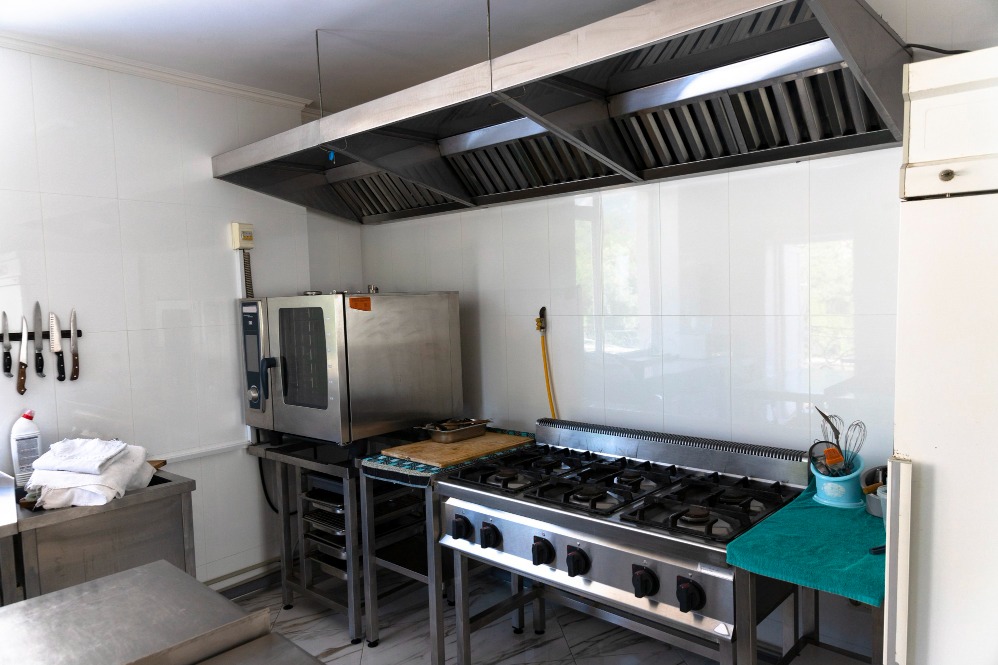
Commercial cooking produces more than food. Depending on the cooking process, it can also generate heat, steam, smoke, odours and grease-laden vapours. Properly designed Kitchen Extractors form an important part of managing these conditions in professional food-service environments.
Restaurants, hotels, cloud kitchens, canteens and institutional kitchens in Delhi should view extraction as a complete ventilation requirement rather than simply installing a hood above cooking equipment.
What Does a Kitchen Extraction System Do?
A commercial extraction system captures contaminated air close to the cooking source and moves it away through an appropriate ventilation arrangement.
A typical installation may involve a hood, filters, ductwork, extraction fan and discharge arrangement, although the exact design varies with the kitchen and cooking load.
Effective extraction can help manage:
- Excess cooking heat
- Steam
- Smoke
- Airborne grease
- Cooking odours
- Contaminants produced during cooking
The system must be appropriate for the actual equipment and cooking processes taking place beneath it.
Extraction Capacity Should Match the Kitchen
A small preparation area and a high-output restaurant cooking line do not create the same ventilation demand.
System planning should consider the cooking appliances, hood dimensions, kitchen layout, operating hours and nature of cooking.
Simply selecting a powerful fan is not necessarily the answer. Excessive or poorly balanced extraction can create other ventilation problems.
The relationship between extracted air and replacement air should therefore be considered during professional system design.
Hood Position Makes a Difference
The hood needs to capture the rising thermal plume and cooking contaminants effectively.
Its size, installation height and relationship to the cooking equipment influence performance. A hood that does not adequately cover the cooking zone may allow heat and grease-laden vapour to escape into the surrounding kitchen.
Kitchen layout should therefore be coordinated with extraction planning rather than treating ventilation as an afterthought.
Filters Require Routine Attention
Grease filters can accumulate contamination during normal operation.
If maintenance is neglected, airflow and hygiene can be affected. Grease accumulation within commercial extraction systems can also create a serious fire risk.
Cleaning schedules should reflect cooking intensity and the manufacturer's maintenance recommendations.
Kitchen teams should know which components they are responsible for cleaning and which areas require specialist servicing.
Warning Signs Should Not Be Ignored
Visible smoke escaping from the hood, excessive kitchen heat, unusual fan noise, persistent odours and noticeable grease accumulation can indicate that the extraction system needs inspection.
Possible causes range from dirty filters and duct contamination to fan problems or an unsuitable system configuration.
The symptom should be diagnosed rather than assuming that increasing fan speed will solve every extraction problem.
Plan Extraction Around Commercial Use
Delhi kitchens can operate under substantial cooking loads, particularly in restaurants, banquet facilities, hotels and institutional food-service operations.
PCNS ENGINEERS Pvt. Ltd. provides commercial kitchen equipment installation, maintenance and repair support within this operating environment. When businesses evaluate Kitchen Extractors, the discussion should include cooking load, physical layout, service access and ongoing maintenance rather than purchase price alone.
Good extraction supports a more manageable commercial kitchen environment, but reliable performance depends on suitable design, correct installation and consistent cleaning throughout the system's working life.
Keywords